
Categories
Home Buying TipsPublished September 23, 2026
7 Reasons You Might Not Qualify for the First-Time Home Buyer Grant


7 Reasons You Might Not Qualify for the First-Time Home Buyer Grant
Quick Answer: Most buyers who get turned down for a first-time home buyer grant run into one of a handful of predictable issues: a credit score under 660, household income above the program's cap, or a home price that's just over the limit. Most of these are either fixable before applying or knowable well in advance, which can save weeks of wasted effort chasing a program that was never going to work.
You want to buy a home, but you're a little short on reserves. Down payment assistance could bridge the gap, but you're not sure whether you'd actually qualify. The last thing you want is to spend weeks pursuing a program, or start shopping with that money in mind, only to find out you're disqualified when you've already found a home you love.
At Premier Home Team, we've spent the last five years guiding home buyers through the purchase process in the Greater Philadelphia area, and many of them have used some form of down payment assistance or grant program along the way. We've seen the full range of reasons that disqualify people from these programs, often before they even realize they're disqualified.
In this guide, we'll cover seven of the most common reasons buyers get turned down, and how to get a clear answer for your own situation before you start house hunting.
1. You've Already Owned a Home Before
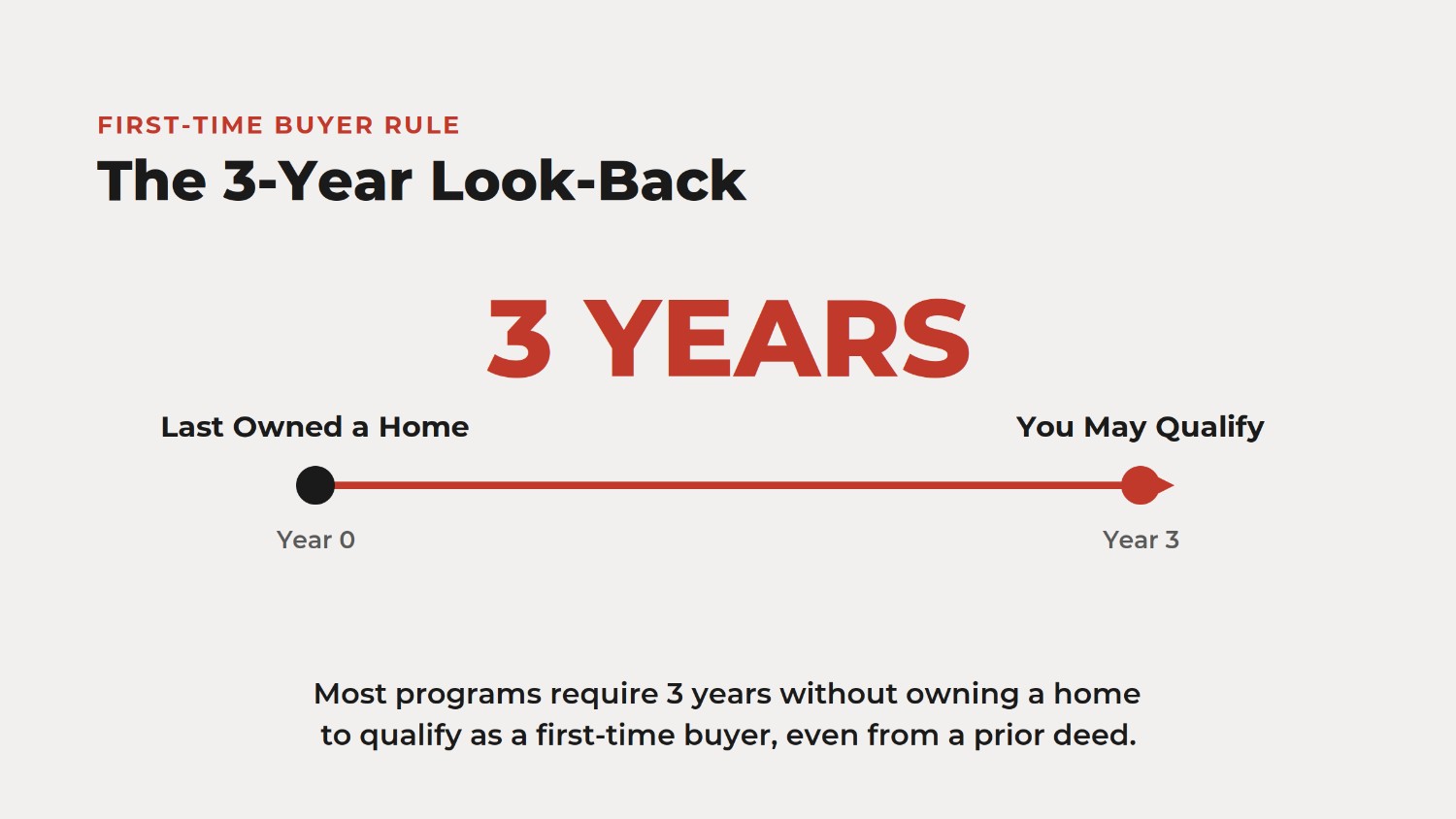
Most programs define a "first-time buyer" as someone who hasn't owned a home in the last three years, and exceptions are rare. This one catches a lot of people off guard, since it's not just about whether you currently own a home. It's about your housing history over the past three years, period.
And ownership may be broader than you think. If your name has been on someone else's deed, even for something like inheritance purposes or power of attorney, that can count as ownership in the eyes of these programs. You don't necessarily have to have purchased or lived in the property for it to affect your eligibility.
2. Your Household Income Is Too High for the Program
Income limits are based on your total household income, not just what you personally earn, and they're measured against the median income of the specific area where you're buying. That means the same buyer could qualify in one township and be over the income limit for another. Some programs require income below the area median; others allow you to go a set percentage above it, so the exact cutoff depends on the program and the location.
If you're just over the limit, there isn't much of a workaround. Eligibility is calculated using the prior year's tax returns, so by the time you're applying, that number is largely locked in.
3. Your Credit Score Falls Below the Minimum
A 620 credit score is enough to qualify for a lot of mortgages, but it typically won't clear the bar for a down payment assistance or grant program. 660 is the target most of these programs are working from today, though the exact minimum varies by program.
The good news is that fixing credit often moves faster than people expect. Working through the smallest problem accounts first, rather than the biggest, can show up in a credit score within two to three months once the correction reports. On a $500,000 home, qualifying for assistance can mean the difference of roughly $25,000, which is exactly why it's often worth waiting a few months to fix credit rather than writing off a program altogether.
4. You Haven't Completed a Required Homebuyer Education Course
Almost every program requires buyers to finish an approved homebuyer education course and be fully qualified before going under contract, not after. One of the most common mistakes we see is a buyer who finds a house, goes under contract, and only then starts the grant process, by which point it's usually too late to catch up.
How long the process takes varies a lot by program. Some buyers can complete the requirements and qualify within about 48 hours, while other programs involve education spread over six to eight weeks. Not every homebuyer education course satisfies every program's requirement either, so taking whatever class happens to be available locally doesn't guarantee it counts. The fix is timing, not effort: get connected to a grant counselor and the right course during your very first conversation with an agent, not after you've already found a home.
5. The Home You Want Doesn't Meet the Program's Price Cap
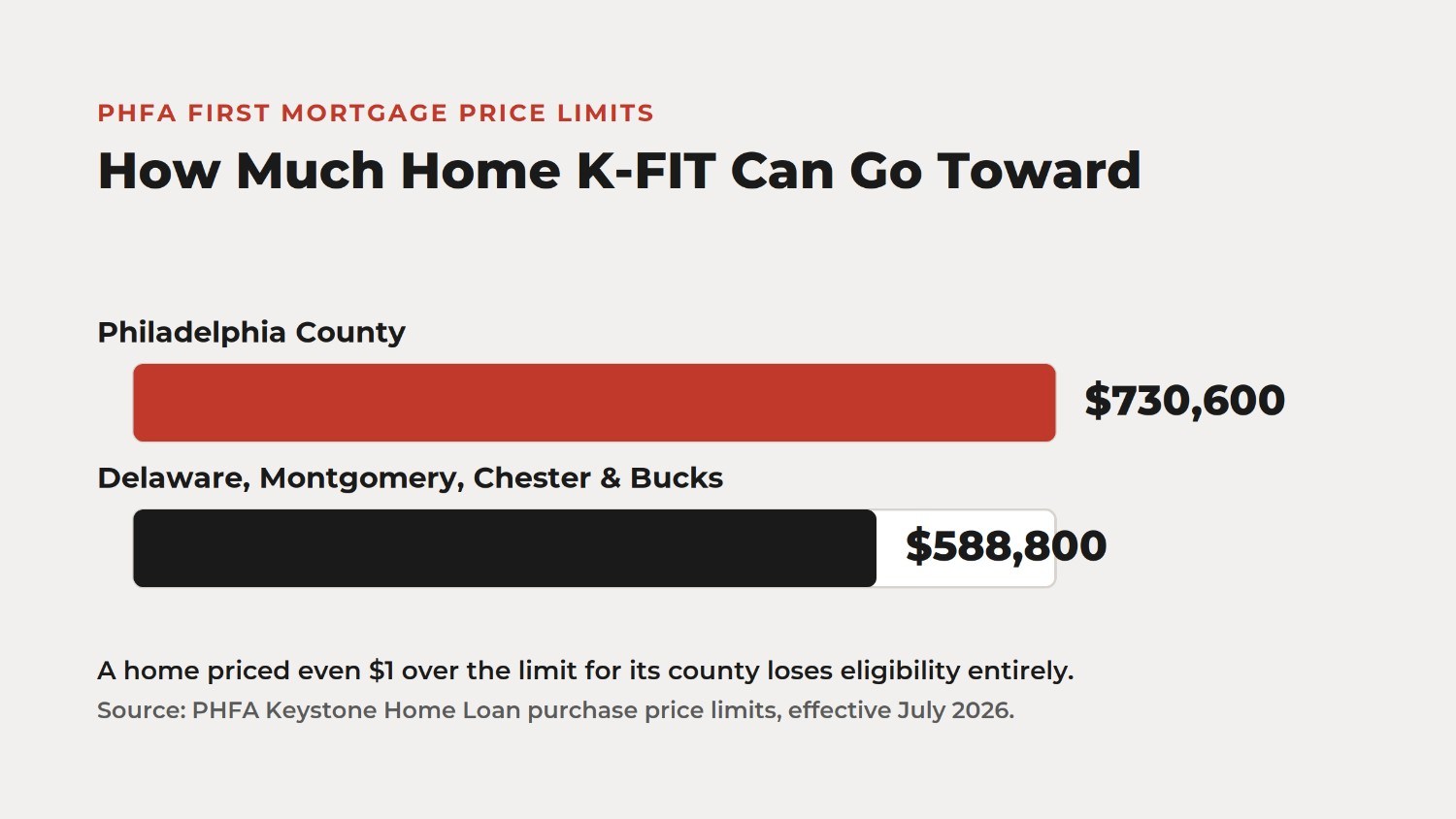
Purchase price caps are usually more generous than buyers assume, but going even slightly over one disqualifies the property entirely. For example, Pennsylvania's statewide K-FIT program, the Keystone Forgivable in Ten Years loan, runs through the Pennsylvania Housing and Finance Agency first mortgage, which currently carries a maximum purchase price cap of $588,800 in Delaware, Montgomery, Chester, and Bucks Counties, and $730,600 in Philadelphia County, which is higher than most buyers expect going in.
If a home comes in over the cap, there's not much of a workaround beyond negotiating the price down below it. It's worth checking a program's cap before getting attached to a specific home, not after.
6. You Don't Plan to Use the Home as Your Primary Residence
First-time homebuyer assistance programs are designed to help you buy a home you're actually going to live in. If you're planning to use the property as an investment, vacation home, or anything other than your primary residence, you won't qualify.
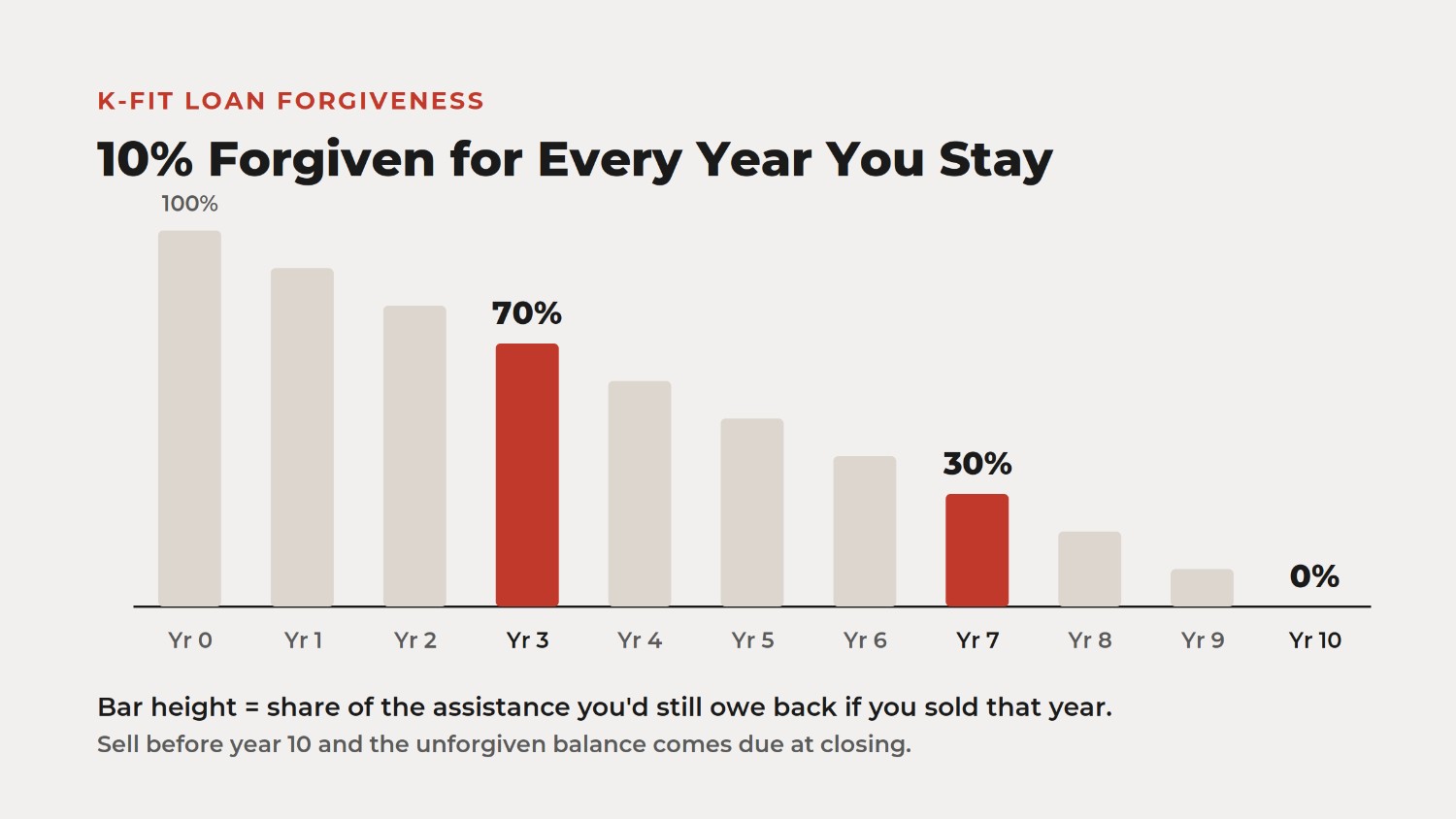
And even if the home starts as your primary residence, it's important to understand what happens if your plans change. Most "grants" in this space are actually forgivable loans, not free money, and moving or selling too soon can mean paying some or all of that assistance back.
K-FIT, for example, forgives the loan at 10% per year over ten years. Philadelphia's Philly First Home program is stricter still: sell even a few weeks before the ten-year mark and the entire amount comes due.
Life circumstances change, and a job transfer or a family situation can force a sale earlier than planned, so it's worth weighing that risk before applying rather than after. That's not a reason to avoid these programs. It's a reason to go in with your eyes open. For some buyers, a forgivable loan is a great tool; for others, the strings attached make it the wrong fit, and that's a completely reasonable conclusion too.
7. Your Debt-to-Income Ratio Is Too High
A down payment assistance program is essentially a second mortgage, and it comes with its own debt-to-income requirements, which can be stricter than the ones on your primary loan. It's possible to qualify for your main mortgage on paper and still lose eligibility the moment a program like K-FIT is added on top, because the combined debt-to-income ratio no longer clears the bar.
There are really only two ways to fix a debt-to-income ratio that's too high: pay down debt, or increase income. Paying down debt is usually the faster path, and some programs even let you pay down qualifying debts at the closing table.
Getting a Clear Answer Matters More Than Guessing
If you're worried you'll get ruled out before you even apply, that's a completely reasonable concern, and it's one of the most common ones we hear from buyers looking into down payment assistance.
Here's the resolution: most of these disqualifiers are either fixable, like credit and debt-to-income, or knowable well in advance, like income limits, price caps, and the education requirement. There's rarely a good reason to guess instead of finding out early.
At Premier Home Team, we've walked local first-time buyers through exactly these requirements across the Philadelphia area, helping to match them with the program that actually fits their credit, income, and timeline, not just the one that sounds best on paper.
The clearest next step is a short conversation before you start house hunting, so you know where you stand before you fall for a home you can't use a grant to buy.
Frequently Asked Questions
Which disqualifier surprises first-time buyers the most?
Income limits, mostly because the range across programs is wide enough to catch people off guard. K-FIT is currently capped around $196,000 in income, while some more localized programs cap out closer to $80,000, so the right program really depends on which one fits your numbers.
Is there a disqualifier that doesn't make most lists?
Yes, an asset cap. Many programs limit how much you can hold in liquid assets after closing. K-FIT, for instance, caps post-closing assets at $50,000, which is a detail buyers researching credit and income limits often miss entirely.
If I don't qualify for a grant, can I still buy a home?
Yes. A first-time buyer grant is one tool among several, not a requirement to purchase. If you don't qualify, or decide the repayment terms aren't worth it, you can still move forward with a standard mortgage.
How long does it actually take to find out if I qualify?
It varies by program. Some buyers can complete the requirements and qualify within about 48 hours, while other programs involve education spread over six to eight weeks. That's exactly why it's worth having this conversation with an agent at your very first consultation, not after you've already picked out a home.
Do all first-time buyer programs have the same rules?
No, and that's the core issue behind most of this list. Credit minimums, income limits, price caps, and repayment terms all vary by program and by location, so a personalized read on which program fits matters more than any single set of numbers.

Robin Martin
Realtor® | Premier Home Team | Keller Williams Empower | PLACE
or another way