
Categories
Home Buying TipsPublished March 20, 2026
Real Estate Closing Costs: How Much You’ll Pay When Buying a House

Real Estate Closing Costs: What You'll Pay and How to Prepare
Are you thinking about buying a home and wondering how much cash you'll really need?
Have you heard the term "closing costs" but aren't sure what they include or how to plan for them?
In this article, you'll learn exactly what closing costs are, how much they usually total, what affects them, and how to prepare.
Based on helping hundreds of buyers through real estate transactions over the past five years, we'll cover which costs catch most buyers off guard, how to reduce them, and what you can do today to avoid financial stress at the closing table.
What Are Real Estate Closing Costs (In Plain English)?
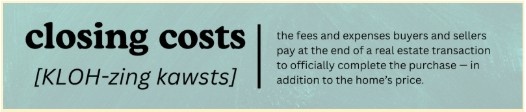
One of the biggest misconceptions among buyers is thinking the down payment and closing costs are the same thing.
Your down payment is the portion of the purchase price you're putting toward the loan.
Closing costs are everything else required to finalize the purchase and legally transfer ownership.
Closing costs include lender fees, title and escrow charges, taxes, and government fees — all the behind-the-scenes costs that make the transaction official. These expenses are added on top of your down payment and are paid when you get the keys.
The key difference?
Down payment = equity in your home.
Closing costs = transaction and financing expenses.
| Closing Costs Explained | |
| Buyer Costs | Seller Costs |
| Loan Origination Fee | Realtor Commissions |
| Appraisal | Transfer Taxes |
| Credit Report | Outstanding Liens/Mortgages |
| Title Search & Insurance | Repairs (if applicable) |
| Home Inspections | Seller Concessions |
| Prepaid Taxes & Insurance | Attorney Fees |
| Government Fees | County Certifications |
How Much Are Real Estate Closing Costs, Typically?
In most cases, buyers should expect closing costs to total about 5%–8% of the purchase price.
That means:
- On a $200,000 home, closing costs may range from $10,000–$16,000
- On a $400,000 home, that range becomes $20,000–$32,000
And remember — this is in addition to your down payment.
For example, if we're using some 'back-of-the-napkin math', and you're putting the minimum down (for example, 3%), budgeting around 11% of the purchase price total gives you a safe(r) cushion for both down payment and closing costs combined.
What Makes Closing Costs Go Up or Down?
Not all closing costs are created equal. Several factors can raise or lower what you'll actually pay.
The biggest variables tend to be lender fees and taxes. Different lenders charge different origination and underwriting fees, and property taxes vary based on location and timing.
Another major factor is where the property is located. Transfer taxes, for example, can be significantly higher in certain cities compared to surrounding counties.
Philadelphia transfer taxes increased to 4.578% in July 2025, whereas, transfer taxes in the neighboring counties usually hover around 2%.
Other contributors that influence the closing costs include:
- The loan amount
- Interest rate structure
- Title insurance costs
- Prepaid expenses like homeowners insurance and property taxes
Because these variables stack together, two buyers purchasing similar homes can still end up with noticeably different totals.
What are the Closing Cost Line Items That Surprise Buyers Most?
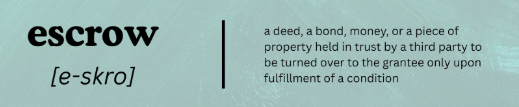
If buyers are caught off guard by anything, it's usually escrow and taxes. For instance, on your final closing statement, you might see taxes accounted for multiple times.
| Why it feels like you're paying taxes three times | ||
| Monthly Mortgage Escrow | Escrow at Closing | Reimbursement to Seller |
| Funds future property tax bills | Pays first few months of taxes in advance | Repays seller for any prepaid taxes they already covered |
While it feels excessive, each payment serves a different purpose. One funds future tax bills, one repays past obligations, and one is part of your ongoing mortgage structure. It makes sense once it's explained — but without guidance, it can be confusing.
This is why walking through closing costs line by line matters. When buyers understand where each dollar goes, the stress level drops dramatically.
Are Certain Loan Types More Expensive Than Others?
Many buyers assume FHA, VA, or conventional loans dramatically change closing costs. In reality, the loan type matters less than how much you put down.
Lower down payments often come with mortgage insurance, which can include upfront fees that are rolled into the loan. The less you put down, the more likely you are to pay higher insurance-related costs — both monthly and at closing.
That doesn't mean low-down-payment loans are bad. They're often the right choice depending on your financial situation. It just means understanding the trade-offs ahead of time is essential.
What Line Items Are Considered Closing Costs?
One of the most common misunderstandings is assuming the down payment itself is part of closing costs.
It's not.
A clearer way to think about it is this:
Closing costs include everything you spend from the moment your offer is accepted to the moment you receive the keys.
That can include inspections, lender fees, title charges, taxes, and prepaid expenses — but the down payment remains its own category.
Separating these mentally helps buyers budget more accurately and avoid unpleasant surprises late in the process.
How Early Should You Budget for Closing Costs?
The best time to budget for closing costs is before you start touring homes.
Understanding that closing costs exist — and roughly how much you'll need — changes how you shop, negotiate, and make offers. Buyers who prepare early tend to feel more confident and make cleaner, more competitive offers.
Here's a simplified breakdown of when common closing costs arise, and what they might look like for a $200,000 home purchase:
| Step | Costs | Estimated Cost |
| Offer Accepted | Inspections | $500-$1,000 |
| Loan Processing | Appraisal | $600-$800 |
| Loan Application Fees | $1,200-$2,000+ | |
| Closing Day | Deposit | 3%-20% (or more) |
| Prorated Taxes | Variable | |
| Prepaid Insurance (12mths) | $2,000+ | |
| Title Fees | $200-$500 | |
| Title Insurance | $2,200+ | |
| Credit Report | $65-$250 | |
| Government Recording Fees | $525 | |
| Transfer Taxes | $4,920 (1-3%) | |
| Post Closing | Ongoing Mortgage and Escrow Contributions | Variable |
One of the simplest ways to prepare is to estimate closing costs as a percentage of the purchase price. For buyers putting the minimum down (around 3%), a safe planning number is around 10% of the home's price.
For example:
Buying a $300,000 home → Plan to bring around $30,000 total (3% down + ~7% closing costs)
Buying a $600,000 home → Budget around $60,000 total
This isn't exact, but it's a solid baseline for early planning — and it helps reduce surprises down the road.
A knowledgeable agent will walk you through each of these line items and help you estimate the true cost of buying a home. The earlier these conversations happen, the smoother your transaction is likely to be.
Can Buyers Lower Their Closing Costs?
Yes — and often more than they expect.
Many buyers can reduce closing costs through:
- First-time homebuyer programs
- State, city, or community grants
- Seller concessions (seller assist)
In some cases, these options can be combined. When done strategically, they can significantly reduce — or even nearly eliminate — out-of-pocket closing expenses.
That said, every program has pros and cons. Some affect interest rates or offer structure, which is why these options should always be reviewed carefully with a knowledgeable agent.
Your Next Steps
You now understand what closing costs are, what influences them, and how to prepare.
If you've been unsure how much money you'll need to buy a home, these unexpected expenses could have derailed your plans.
The next move is to sit down with someone who can estimate your exact closing costs and walk through available programs to help reduce your costs.
Our team has helped hundreds of buyers navigate these decisions — and we can help you, too.
👉 Talk to your agent to get a personalized walk through of closings costs before you make your next move.
Robin Martin
Realtor® | Premier Home Team | Keller Williams Empower | PLACE
or another way