
Categories
Working in Real Estate, CareersPublished April 8, 2026
6 Real Estate Team Interview Questions Every New Agent Should Ask

.jpeg)
How do you know if a real estate team will actually help you succeed, or quietly slow you down?
And how can you tell the difference before you sign an agreement that shapes your first few years in the business?
If you’ve recently passed your real estate exams, you already know the income gap between new and experienced agents is significant. The environment you choose now can either accelerate your growth or make the learning curve steeper than it needs to be.
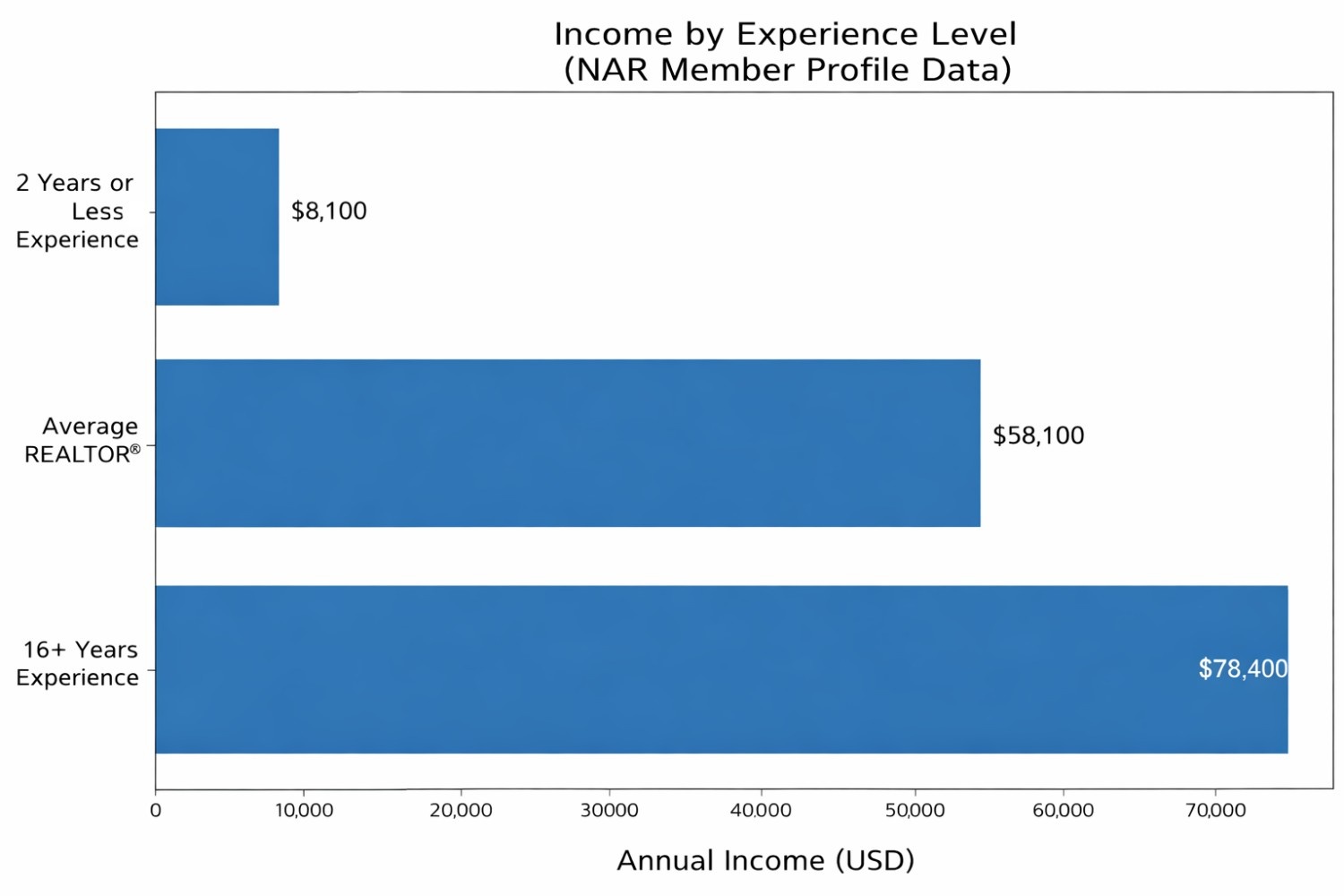
In this article, you’ll learn the eight specific questions that reveal how a team really operates — what strong answers sound like, and the red flags that should give you pause before committing.
1. How Do Commission Splits and Fees Actually Work on a Real Estate Team?
Most agents start here, and that makes sense. But when interviewing a real estate team, don’t just ask:
“What’s the split?”
Instead, ask:
- What are the caps?
- Are there monthly or team fees?
- What expenses are covered?
- What would I be paying for on my own if I were solo?
A lower split can look attractive at first glance. But if you’re responsible for your own marketing, CRM, lead generation, and transaction coordination, your out-of-pocket costs can quickly outweigh the difference.
The real question is what you’re getting in return for the commission splits and fees.
| Solo Agent Costs vs Team Support | |
| Solo Agent | Team Model |
| CRM Subscription | Lower Split |
| Marketing Spend | CRM Included |
| Transaction Coordination | Admin Support |
| Lead Generation | Team-Generated Leads |
| Office Space | Built in accountability |
A strong team will clearly explain the full financial picture, including what systems and support reduce your personal expenses.
Our team split is 50/50 after any lead costs are satisfied. That split includes CRM, transaction coordination, education & training, marketing support, and 10-15 inbound leads per month. Brokerage fees are additional.
Money matters, but support and structure often matter more in the long term.
2. Where Do Leads Come From, and How Are They Distributed?
“Leads provided” is one of the most common promises teams make. But not all leads are equal, and not all distribution systems are transparent.
When interviewing a real estate team, clarify:
- Are the leads warm or cold internet leads?
- Are leads exclusive or shared?
- How are leads distributed?
- Do new agents get the same opportunities as top producers?
- What is the conversion rate of current team members?
One critical question many agents forget to ask:
“Can you show me how current team members are converting these leads?”
| Question | Strong Answer | Red Flag Answer |
| Where do leads come from? | “We generated 180 online leads last month from paid search and referrals.” | “We get plenty of leads.” |
| Are leads exclusive? | “They’re assigned individually and tracked in our CRM.” | “Everyone works the same pool.” |
| What’s the conversion rate? | “Our average agent converts 4–6%.” | “That depends on the agent.” |
If a team claims strong lead generation, they should be able to point to real performance metrics from actual agents.
Also ask whether you must “earn” better leads over time. There’s nothing wrong with that model, but you need to know upfront so you don’t assume you’ll be closing deals immediately.
Transparency around lead sources and conversion metrics prevents major disappointment later.
Want a printable version of these questions?
Bring them with you to your interviews.
Download our New Agent Team Interview Toolkit, which includes a printable interview checklist, a team comparison scorecard, and a guide to common red flags new agents often miss.
Use it to compare teams side-by-side and make a more confident decision about where to start your career.
3. What Does Training Actually Look Like in the First 30–60–90 Days?
Many teams say they offer training. That word gets used a lot. But what does it actually mean?
Strong onboarding should include:
- Clear daily structure
- Script training for conversations
- System and CRM training
- Coaching on lead follow-up
- Exposure to high-performing agents
- Accountability and feedback
We’ve heard from agents who leave teams that: “They told me to start making calls, but never showed me what to say.”
Effective training isn’t just learning how to run comps or fill out paperwork. It starts with mastering conversations and conversions. Without structured training, leads alone won’t create success.
If you’re interviewing a real estate team, ask what a typical day looks like for a new agent, and what you’ll be expected to do, step by step.
Structure builds confidence. Guesswork creates stress.
4. What Are the Daily and Weekly Expectations?
Real estate is often marketed as “be your own boss.” But on a team, you’re part of a larger structure, and expectations matter.
Ask:
- What are required office hours?
- Are there mandatory meetings?
- How many contacts should I make per day?
- What activity level is expected weekly?
- What performance benchmarks must I hit?
Clear expectations prevent burnout and resentment.
Some agents feel overwhelmed because they didn’t realize how structured the environment would be. Others struggle because expectations were never clearly defined in the first place.
A strong team will outline activity standards and explain how those daily actions lead to monthly results.
You should walk away knowing exactly what success requires.
5. What Happens If I Fall Behind?
Every agent hits slow seasons. The difference between a strong team and a weak one is what happens next.
Ask:
- Is there one-on-one coaching?
- Will I have a designated mentor?
- How often will we review performance?
- How does leadership help adjust strategy?
Real support isn’t just motivational speeches. It’s sitting down, reviewing what’s happening, and adjusting the approach.
The best teams don’t operate on “my way or the highway.” They tailor strategies to help agents improve.
And don’t forget to ask:
“How accessible is leadership day to day?”
Morning check-ins, accountability conversations, and consistent access to decision-makers are signs of engaged leadership.
6. What Does Long-Term Growth Look Like?
Joining a team is really about your next few years.
Ask:
- What does success look like here?
- Are there leadership opportunities?
- Can I build my own team within this team?
- How involved is the team leader in long-term development?
- Can I speak privately with current team members?
This last one is important.
If possible, meet the team in person. Spend a day in the office. Observe how agents interact. Culture isn’t something you can evaluate over a quick video call.
You should know what it feels like to spend your day there before you commit.

When Joining a Real Estate Team May Not Be the Right Move
Joining a real estate team can accelerate your learning curve. But it isn’t automatically the right move for every new agent.
Before we go further, it’s important to acknowledge something. This article is written from the perspective of a team that believes structure, accountability, and shared systems accelerate growth. That naturally shapes how we view team environments, and why we emphasize clarity around expectations and performance.
The goal isn’t just to join a team. It’s to join the right environment for how you work and grow best.
Before making a decision, take a moment to consider whether a team structure aligns with your working style and long-term goals.
- You value full independence over structured support.
Most teams operate with defined systems, expectations, and shared processes. If you strongly prefer building everything your own way from the start, that structure may feel restrictive rather than helpful.
- You prefer minimal accountability or performance tracking.
Many teams set activity benchmarks and regularly review performance to help agents improve. If accountability feels limiting instead of supportive, a solo path may suit you better.
- You’re entering the business with an established source of clients.
If you already have a strong database, referral network, or marketing strategy in place, you may not need the lead generation and systems a team provides.
- You want to prioritize building your personal brand immediately.
Some teams emphasize the team brand first, especially early in your career. If your primary goal is building your individual brand from day one, it’s important to clarify how branding works before joining any team.
There is no “right” path. Only the path that aligns with how you work and grow best.
Before joining any team, ask yourself:
“Do I want structure and support, or maximum independence and control?”
If you’re still deciding whether a team environment or an independent path is the better fit for your goals, you may also want to read our guide on Solo vs Team: Which Real Estate Career Path Is Right for You?
What Questions Do Agents Regret Not Asking?
From experience, one of the biggest regrets is not asking about time commitment and required presence in the office.
Some agents assume they’ll work from anywhere, only to discover mandatory office hours and meetings they didn’t anticipate.
That’s not necessarily wrong, but it must be clearly communicated.
If expectations aren’t transparent before you sign, that’s a red flag.
The right team will be upfront about what they require — and what they provide.
The Most Important Question to Ask Any Real Estate Team
Perhaps the most important question you can ask is:
“What would I need to do to show up as a strong team member here?”
Real estate teams are partnerships. You receive training, leads, and support — but you’re also expected to contribute through effort, accountability, and performance.
If you only approach a team thinking about what you’ll receive, you may miss whether you’re truly aligned.
Choosing the Right Team Is About Clarity
Choosing the right team is one of the most important decisions you'll make early in your career. The questions you ask now can shape your learning curve, income trajectory, and long-term growth in the industry.
If you're preparing to interview real estate teams, download our New Agent Team Interview Toolkit.
Inside you'll find:
• A printable interview checklist
• A team comparison scorecard
• A guide to common red flags new agents often overlook
Use it to evaluate teams with clarity before making a commitment.
Download the Toolkit
And if you want to hear how our team answers each of these questions, openly and in detail, schedule a conversation with our team leader to explore whether our structure aligns with your goals.
Your first team decision can shape your entire trajectory. Make it an informed one.

Robin Martin
Realtor® | Premier Home Team | Keller Williams Empower | PLACE
or another way