
Categories
Seller StrategiesPublished April 20, 2026
Selling a House in Philadelphia: The Step-by-Step Timeline


Selling a house sounds simple at first. Many homeowners assume the process looks something like this: hire an agent, take some photos, put the home on the market, and wait for offers.
In reality, selling a home in Philadelphia involves far more planning and strategy than most people expect. From pricing your home correctly to preparing it for buyers, marketing it effectively, and navigating negotiations, each step can have a major impact on how quickly your home sells and how much money you ultimately walk away with.
Our team has helped hundreds of buyers and sellers navigate the Philadelphia real estate market, and we’ve seen firsthand how small decisions early in the process can shape the entire outcome of a sale, including the final price, the time on market, and how stressful the experience feels along the way.
In this guide, we’ll walk you through the step-by-step process of selling a house in Philadelphia, including what happens before your home hits the market, what to expect once buyers start showing interest, and how the process unfolds all the way through closing.
By the end, you’ll have a clear understanding of the full home-selling timeline so you can prepare with confidence and avoid common surprises.
What Are the Steps to Selling a House in Philadelphia?
While every sale is a little different, most successful listings follow a similar sequence of steps. Understanding this timeline helps sellers prepare their homes properly, price strategically, and avoid surprises once the property goes under contract.
In most cases, selling a house in Philadelphia involves these key stages:
- Defining your goals and timeline
- Choosing the right listing agent
- Pricing the home based on local market data
- Preparing the home for market
- Decluttering and depersonalizing the space
- Creating professional photos and listing materials
- Launching the listing and building early interest
- Marketing the property and hosting showings
- Reviewing offers and negotiating terms
- Moving from contract to closing
Below, we’ll walk through each step so you know what to expect and how to prepare.
.svg)
How Long Does It Take to Sell a House in Philadelphia?
One of the first questions homeowners ask when they start thinking about selling is:
“How long will it take to sell my house?”
The answer can vary depending on market conditions, pricing strategy, and how well the home is prepared for sale. However, most home sales in Philadelphia follow a fairly predictable timeline.
Here’s a typical breakdown:
Preparation (2–4 weeks)
Before listing your home, you’ll likely spend time preparing it for the market. This may include minor repairs, decluttering, staging, professional photography, and finalizing your pricing strategy.
Time on the market (1–4 weeks in many surrounding suburbs, and often 5–8 weeks within Philadelphia city limits)
Once your home is listed, buyers begin scheduling showings and submitting offers. In a strong market, homes may receive offers within days. In other cases, it may take several weeks to attract the right buyer.
Under contract to closing (30–45 days)
After accepting an offer, the buyer typically completes inspections, appraisal, and financing approval before the final closing.
Overall, many Philadelphia home sales take roughly 6–10 weeks from preparation to closing, although the timeline can vary depending on the property, price point, and current market conditions.
What the Philadelphia Housing Market Looks Like Right Now
The timeline for selling a home often depends on what’s happening in the local housing market.
In Philadelphia, factors such as interest rates, housing inventory, and buyer demand all influence how quickly homes sell and how competitive offers may be.
According to recent market data from Bright MLS, the median home sale price in some Philadelphia neighborhoods is approximately $365,000, with homes typically selling in about 73 days on market. While these numbers can change over time, they provide a helpful snapshot of how active the local market is for buyers and sellers.
When buyer demand is strong and housing inventory is limited, well-prepared homes that are priced correctly often attract serious interest quickly. In other conditions, homes may take longer to sell as buyers compare more options.
It’s also important to remember that the Philadelphia real estate market can vary significantly from one neighborhood to another. A home in Center City, Fishtown, or Graduate Hospital may experience different demand than a property in another part of the city.
Because of these variations, many sellers start by reviewing recent comparable home sales in their specific neighborhood before deciding on a pricing and listing strategy.
Step 1: Define Your Goals When Selling a House in Philadelphia
Before anything else, your agent should help you get clear on your end goal when selling a house in Philadelphia. Are you selling an investment property? Are you upsizing, downsizing, or relocating? Do you need to move quickly, or do you have flexibility to wait for the right timing?
Those answers matter because the Philadelphia market does not move the same way it did a few years ago. Homes are not necessarily flying off the market at dramatically inflated prices, and buyers often have more options than they used to. That means your timing, your expectations, and your strategy all need to match today’s market, not yesterday’s headlines.
Market conditions are largely driven by supply and demand, how many homes are available versus how many buyers are looking.
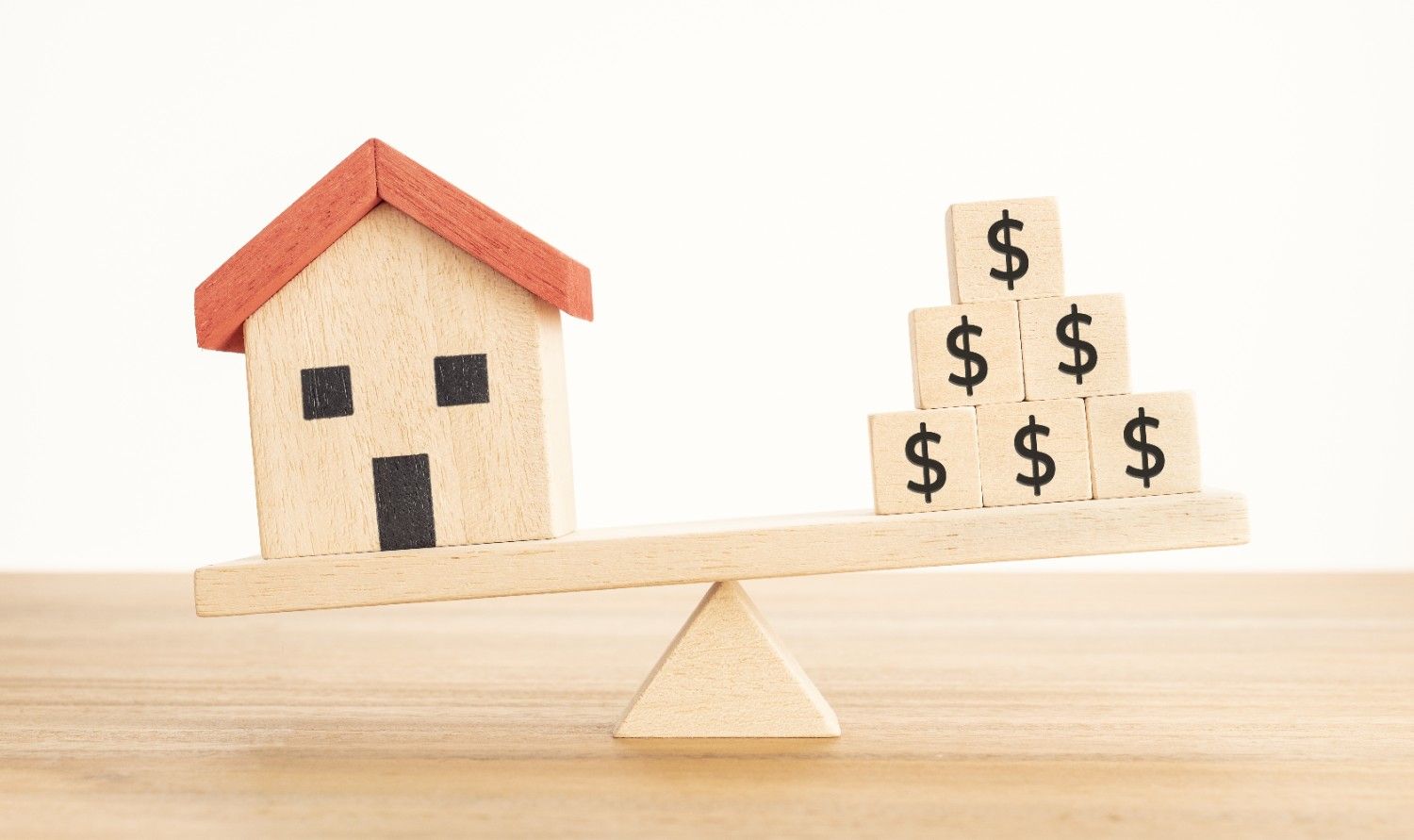
The clearer you are on your goals from the start, the easier it is to price, prepare, and market your home in a way that supports the outcome you actually want.
Step 2: Choose the right listing agent or team
Not every agent is the right fit for every seller. This is why it helps to do your homework before signing anything. Interview a few agents. Read reviews. Look at how they present listings online. Pay attention to whether they know Philadelphia neighborhoods well and whether they can explain their process clearly.
Local experience makes a real difference. Your agent should understand how buyers behave in your area, what homes are actually selling for, how long properties are sitting, and what kind of pricing and preparation strategy makes sense in your neighborhood.
You’re not just hiring someone to upload photos and list the property. A good agent should guide pricing, preparation, promotion, negotiation, and problem-solving from beginning to end.
In our experience working with hundreds of buyers and sellers across the Philadelphia region, the homes that sell most successfully tend to follow a similar preparation and launch process.
Step 3: Price the home correctly from the beginning
One of the most important steps in selling a house in Philadelphia is setting the right list price from day one. That usually starts with market data.
An agent will typically look at comparable homes that are active, under contract, and recently sold. They may also use local market tools to understand the median, high, and low price points in your area. Then they’ll compare that recent home sales data to your property’s condition, size, updates, and location to recommend a realistic pricing range.
This is where many sellers get tempted to “test the market” by starting high. Sometimes that works against them.
Homes priced correctly from the start typically attract more attention, more showings, and stronger early momentum with buyers.
When a home sits too long, buyers start asking what’s wrong with it. Fewer showings lead to fewer offers, and the listing can develop a stigma that becomes hard to shake. By contrast, when a home is priced in line with the market, it has a much better chance of generating strong interest early.
Thinking About Selling Your Philadelphia Home?
If you’re considering selling in the next 6–12 months, it can be helpful to understand what your home might sell for in today’s market.
Our team regularly prepares free home value estimates and pricing strategies for Philadelphia homeowners so they can plan ahead and understand their options.
Request a home value estimate
Common Challenges Sellers Face
While every home sale is different, many sellers run into similar challenges along the way. Pricing a home too high can cause it to sit on the market longer than expected, while skipping preparation like decluttering, repairs, or professional photos can reduce buyer interest. Sellers are also sometimes surprised by issues that come up during inspections or negotiations. Understanding these potential challenges ahead of time can help you prepare more effectively and make the selling process smoother from listing to closing.
Many of these challenges can be avoided with the right preparation before your home goes on the market.
Step 4: Walk through the house and make a prep plan
Once you sign the listing agreement, the next phase is getting the home market-ready. In our experience, this is often the most overlooked part of the process, but it can make a major difference in both presentation and buyer response. Buyers often make emotional decisions within the first few minutes of seeing a home. Preparation helps ensure that those first impressions work in your favor rather than against you.
Your agent may recommend a short list of repairs or updates before the home is photographed. In most cases, this does not mean a full remodel. You usually do not need to renovate a kitchen or gut a bathroom to sell successfully.
Instead, the highest-impact improvements are often the simplest ones: fresh paint, a deep clean, minor caulking, chipped paint touch-ups, and fixing obvious safety or maintenance issues.
There is also a practical reason to handle some of these items early. Problems that are visible before listing often become issues again during inspections, municipal certifications, or lender requirements. Safety items like smoke detectors, carbon monoxide detectors, banisters, and peeling paint can all come back later depending on the municipality and loan type, especially for government-backed loans like FHA or VA.
The earlier you spot obvious issues, the more control you keep over the process.
Step 5: Declutter and depersonalize the space
Before photos and showings, your home should feel clean, open, and easy to picture living in. That means decluttering and depersonalizing. If you’re not sure where to start, our guide on how to prepare your home for listing photos walks through the biggest things sellers should focus on before photography day.
This does not mean stripping the house of all warmth or character. It means removing distractions. Too many boxes, crowded surfaces, personal photos, and highly specific decor can make it harder for buyers to focus on the home itself. It can also make moving through the property feel cramped or frustrating during showings.
When buyers walk in, you want them imagining their life there, not feeling like they are walking through someone else’s space.
Step 6: Schedule professional photos, video, and listing materials
Once the house is ready, it’s time for photography, and often video or a Matterport tour as well. After that, the listing description is drafted, the seller’s disclosure is completed, and all final details are reviewed before the home goes active.
This step matters more than many sellers realize because according to the National Association of Realtors, most buyers now begin their search online, which means the photos and listing description often determine whether someone schedules a showing at all.
Professional visuals create that crucial first impression. Strong images, a clear description, and a video walkthrough can make a home feel more inviting, trustworthy, and worth seeing in person. On the other hand, weak photos or too few images can make buyers assume something is being hidden.
The online presentation should do more than document the home. It should create interest.
Step 7: Launch the listing strategically to build early momentum
In most cases, it helps to launch the property as ‘coming soon’ before it officially goes live. This gives your agent time to start building interest, talk to other agents, reach out to potential buyers, and prepare for the first weekend on market.
A strong launch is often about timing as much as exposure. Going live later in the week, usually on a Thursday or Friday, can help concentrate attention around the weekend when buyers are most available for showings and open houses.
Instead of letting the listing quietly appear online, the goal is to create momentum before and during the first few days.
Step 8: Market the property aggressively once it goes live
This is one of the steps many sellers don’t see behind the scenes. While the MLS is the foundation of marketing a listing, most successful sales involve additional outreach beyond simply posting the property online.
Yes, the MLS matters. It syndicates the property to major real estate websites and alerts other agents. But a strong marketing plan usually goes further. That may include social media promotion, open house advertising, outreach to neighbors, direct calls to people in the database who match the home, and active follow-up with every buyer who shows interest.
Open houses, circle dialing, and door knocking are all part of expanding awareness beyond passive online traffic. Sometimes a neighbor knows a friend or family member who wants to move into the area. Sometimes a buyer in the database has been waiting for a home just like yours to come up.
The first week on market is when your listing is newest and most compelling, so the goal is to drive as much qualified attention as possible right away.
During this period, sellers should also be prepared for showing requests and understand how to prepare your home for showings and make the right impression once buyers begin coming through the property.. Depending on the market and price point, buyers may request private showings throughout the week in addition to open houses. Your agent will coordinate these showings and help you manage the schedule while the home is on the market.
Step 9: Review offers based on terms, not just price
When offers start coming in, sellers naturally look at the highest number first. But price is only one part of the offer.
You also need to evaluate financing type, contingencies, closing timeline, and how well the offer aligns with your goals. A cash offer may be more attractive than a higher financed offer in some situations. A conventional loan may be simpler than FHA or VA if the property condition is a concern. Fewer contingencies may reduce risk, even if the price is not the very highest.
The best offer is not always the biggest one on paper. It is the one with the strongest overall terms for your situation.
| Factor | Why it matters |
| Price | Determines potential proceeds |
| Financing | Affects risk of deal falling apart |
| Contingencies | Inspection / appraisal risk |
| Closing timeline | Whether it fits seller plans |
Step 10: Move from contract to closing
After an offer is accepted, the process shifts into the contract-to-close phase. This is where several important checkpoints happen.
If the buyer has an inspection contingency, there may be another round of negotiation after inspections are completed. If they are financing the purchase, they will need to finish their mortgage process and receive loan approval. The home will also need to appraise if financing requires it. If the appraisal comes in low, that can trigger another negotiation.
At the same time, title work moves forward. If any old liens, payoffs, or title issues appear, those need to be cleared. Depending on whether you’re selling in Philadelphia or one of the local municipalities, there may also be a use and occupancy or other local certification process that the seller needs to complete.
This is the stage where preparation pays off. The more your agent has explained in advance, the less any of this feels like a surprise.
%20(1).jpg)
What should you do now if you want to sell in the next 6 to 12 months?
Selling a house in Philadelphia isn’t just about putting a sign in the yard and waiting for offers. The process works best when every step is intentional, from preparing the home and pricing it correctly to creating strong marketing and managing the negotiations that follow.
When sellers understand the order of events ahead of time, the entire experience becomes easier to navigate. You know what decisions are coming, what preparation actually matters, and how each step affects the final result.
That’s also why working with the right agent matters. The right guidance helps you prepare strategically, position your home to attract the right buyers, and move from listing to closing with far fewer surprises.
If you want a clearer picture of what your own sale could look like, download our Home Sellers Guide, which walks through each stage of the process from preparation to closing.
And if you're thinking about selling a house in Philadelphia in the next 6–12 months, schedule a listing consultation with our team so we can walk through your home, discuss pricing, and help you begin preparations for a successful sale.
Many sellers also have practical questions about the selling process, especially when preparing their home or reviewing offers.
Frequently Asked Questions About Selling a House in Philadelphia
Do I need a real estate agent to sell my house in Philadelphia?
Technically, no. Homeowners can sell their property themselves through a process called For Sale By Owner (FSBO). However, many sellers choose to work with an agent because they provide expertise in pricing, marketing, negotiations, and navigating the legal paperwork involved in a real estate transaction.
What costs should I expect when selling a house?
Most sellers pay several costs when selling a home, including real estate commissions, closing costs, potential repairs after inspections, and transfer taxes. The exact amount varies depending on the sale price and the specifics of the transaction.
How do I decide the right listing price for my home?
Your listing price should be based on recent comparable home sales, current market conditions, and buyer demand in your neighborhood. Pricing too high can cause a home to sit on the market, while pricing strategically can attract stronger interest and potentially multiple offers.
What should I do to prepare my home before listing?
Before listing a home, most sellers benefit from decluttering, deep cleaning, completing minor repairs, and improving curb appeal. Professional photography and staging can also make a major difference in how buyers perceive the home online.
Can I stay in my home during the selling process?
Yes. Many homeowners continue living in their homes while they’re listed for sale. However, sellers must be prepared for showings, open houses, and short-notice visits from potential buyers.

Robin Martin
Realtor® | Premier Home Team | Keller Williams Empower | PLACE
or another way