
Categories
Home OwnersPublished April 3, 2026
What “Under Contract” Means in Real Estate (and What Happens Next)

If you’ve just gone under contract, it can feel like you’ve crossed the finish line.
In reality, this is where the process becomes more detailed - and where many buyers start to feel uncertain about what happens next.
You might be wondering:
- What deadlines do I need to hit?
- What could delay or derail the deal?
- What exactly is my role from here to closing?
We’ve guided hundreds of buyers through the contract-to-close process, and we see this all the time. Even experienced buyers can feel overwhelmed at this stage, not because anything is going wrong, but because no one has clearly mapped out what comes next.
In this guide, we’ll walk you through the key phases after going under contract, what to expect along the way, and how to stay organized and confident through closing.
And when we connect, we’ll go even deeper into your specific timeline and situation so you know exactly what to expect.
You’re Under Contract - What This Actually Means
Going under contract means the seller has accepted your offer and taken the home off the market.
The major terms are now agreed upon - but the deal is still conditional. You’ll need to move through a series of contingencies (like inspections and financing) before everything is finalized.
This is where the process transitions to execution, and where timelines and follow-through matter more than anything else.
Meet the Person Running Your Timeline: The Transaction Manager
Once you’re under contract, your experience becomes much more structured.
Your transaction manager is there to:
- Track every deadline
- Coordinate with your lender, title company, inspectors, and agents.
- Schedule key milestones
- Solve issues before they become problems.
They act as your central point of organization - so you don’t have to manage the process yourself.
What Can Go Wrong After You Go Under Contract?
While most transactions move forward smoothly, this is the stage where issues are most likely to surface.
The contract-to-close phase isn’t always perfectly smooth. It allows for any issues to be uncovered early, and gives both sides the opportunity to resolve them before closing. With clear communication, these “surprises” are simply part of the process.
Inspections, appraisals, and financing steps are designed to identify potential problems early allowing them to be addressed before closing. But if timelines are missed or communication breaks down, small issues can become bigger ones.
Here are a few of the most common challenges buyers run into:
1. Missed Deadlines
Every step in the contract comes with a specific timeline. If a deadline is missed, like submitting earnest money or completing inspections, you could lose negotiating leverage or, in some cases, risk your deposit.
2. Inspection Surprises
Inspections often uncover things you weren’t aware of. This can lead to additional negotiations, decisions about repairs, or even reconsidering the purchase. This is normal, but it can feel overwhelming if you’re not prepared for it.
3. Appraisal Gaps
If the home appraises for less than the purchase price, you may need to renegotiate or bring additional funds to closing.
4. Financing Delays
Your lender is working through underwriting during this time. Requests for documents, credit checks, or employment verification can create delays if not handled quickly.
The important thing to remember is that none of these are unusual, and most can be resolved with the right guidance and communication.
Your team is there to anticipate these situations, keep everything on track, and help you make informed decisions along the way.
When we connect, we’ll walk through how each of these could apply to your specific situation so you know exactly what to expect.
What Costs Should You Expect After Going Under Contract?
As you move forward, there are a few upfront costs that typically come into play before closing.
These aren’t surprises, but if you’re not expecting them, they can catch you off guard.
Here are the main ones to be aware of:
1. Earnest Money Deposit
The earnest money (typically around 3% of the purchase price) is normally due within the first five days after going under contract. It shows the seller you’re serious about moving forward and is later applied toward your closing costs or down payment.
2. Home Inspection
Inspections are paid out of pocket and scheduled early in the process. Costs can vary (typically $700-$1000) depending on the inspections you elect for, and the size and type of home, but this is an important step to fully understand the property you’re about to purchase.
3. Appraisal Fee
Your lender will order an appraisal to confirm the home’s value. This is another upfront cost (commonly in the $500-700 range) that is usually paid before closing.
4. Closing Costs (Preview)
While most closing costs are paid at the end, this is the stage where those numbers start to come into focus. Your lender will begin outlining what to expect, so there are no surprises later.
None of these costs are unexpected, but knowing when they happen helps you plan ahead and stay in control of the process.
When we connect, we’ll break down exactly what these costs look like in your specific situation so you have a clear picture moving forward.
The First 3–5 Days: Where Momentum Matters Most
The first few days after going under contract are some of the most important in the entire process.
This is where everything gets set in motion - and staying on top of these early steps helps prevent delays later on.
Here’s what typically happens right away:
- Submit your earnest money deposit.
- Choose your title company.
- Complete your mortgage application.
- Schedule your inspection.
Most of this can be done quickly with guidance from your team, but your responsiveness plays a big role.
Delays during this stage can create unnecessary pressure on the rest of your timeline, so the goal is simple: stay engaged and act quickly when something is needed.
Inspections, Appraisal, and Contingencies - What to Expect
This part of the process can feel like the most complex, but it follows a clear and structured path.
Each step is designed to confirm that the home is a good fit and that everything is moving forward as expected.
Here’s how it typically unfolds:
- Inspection: Evaluates the condition of the home
- Negotiation (if needed): Based on inspection findings
- Appraisal: Confirms the home’s value for your lender
- Financing: Your lender works toward final loan approval
It’s important to remember: these steps are meant to protect you.
With the right guidance and clear timelines (typically 3–4 weeks), this phase is handled step-by-step so you can move forward with confidence.
.jpg)
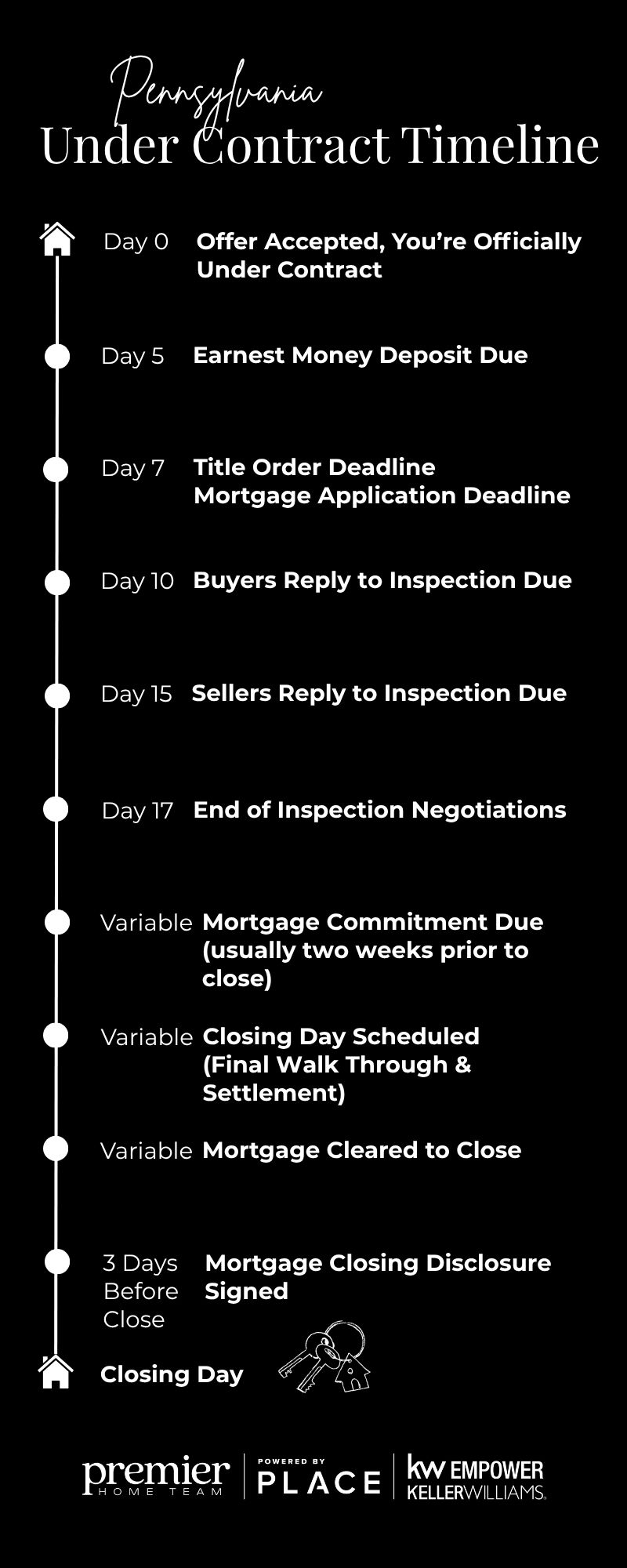
The Deadlines That Matter
Every contract includes key dates that need to be met along the way.
One important detail to keep in mind: deadlines are calculated from the contract date.
The day you go under contract is considered Day 0. The following day becomes Day 1, and all deadlines count forward from there, including weekends and holidays unless otherwise specified.
Your team will outline all of these dates clearly and actively monitor them for you.
Your role is simple: stay engaged and respond quickly when something is needed.
If anything starts to fall behind, there may be options to adjust, but only if it’s addressed early.
The Mistakes That Can Derail Your Deal
Most issues at this stage aren’t about the property - they’re about buyer decisions.
The biggest risk: Making financial changes before closing.
Avoid:
- Changing jobs
- Opening new credit
- Making large purchases
Even small changes can impact your loan approval.
Equally important: respond quickly to requests.
Simple habits that keep you on track:
- Providing documents to your lender immediately
- Following up when something is requested
- Staying aware of deadlines
These small actions make the entire process smoother.
What Happens Between Now and Closing
Once the initial steps are complete, your transaction becomes more structured and predictable.
Here’s how it’s managed:
- You’ll have a call outlining the full timeline, followed by a written summary.
- Your team will send follow-up emails and reminders.
- You’ll receive calls if anything time-sensitive comes up.
At the same time, different parties are working in parallel:
- The transaction manager oversees the entire process.
- The lender works directly with you while coordinating behind the scenes.
- The title company conducts its work in the background and resurfaces when ready.
You’re never left guessing what comes next - because communication is proactive, not reactive.
.jpg)
Final Steps Before Closing Day
As you approach closing, things begin to finalize.
In the final week:
- Your mortgage is completed, and you receive the clear to close
- The title company finalizes documents.
- Closing is scheduled.
You’ll also complete a final walkthrough, where you confirm:
- The home is in the same condition.
- The seller has removed their belongings.
- Any agreed-upon repairs are complete.
Closing day itself is straightforward - you’ll walk the property, sign documents, and receive your keys.
How Our Team Supports You Every Step of the Way
A smooth transaction is built through systems and support.
At Premier Home Team, our approach is designed to:
- Handle as much of the process as possible for you.
- Keep communication consistent and clear.
- Ensure no detail is overlooked.
Unlike a solo agent, you’re supported by a full team, including dedicated transaction staff who are working on your file every day.
We also follow a comprehensive checklist (150+ tasks) for every transaction, so nothing is missed, and everything stays on track.
Our goal is simple: meet all contract deadlines and answer your questions before you even know to ask them.
Your Next Step: Stay Organized From Day One
At this point, you’re not just under contract - you understand what that means and what comes next.
And if this process has ever felt overwhelming, it’s usually not because it’s too complex - but because it hasn’t been clearly laid out.
Now you have that structure.
Our team walks buyers through this process every day, with clear timelines, consistent communication, and a system designed to keep everything on track from contract to closing.
Your next step is to download the Under Contract Roadmap - so you can follow along during the call with your Transaction Manager, take notes, and stay fully organized every step of the way.
Because when you know what to expect, the entire experience becomes far more predictable, and far less stressful.

Robin Martin
Realtor® | Premier Home Team | Keller Williams Empower | PLACE
or another way