
Categories
Careers, Working in Real EstatePublished November 6, 2026
Why Joining Premier Home Team Isn't the Right Fit for Every Agent


Premier Home Team is a collaborative, prospecting-heavy team built around in-person training, ongoing coaching and accountability, so it isn't the right fit for every agent. Part-time agents, agents who want to do their own thing, agents who resist coaching, and established agents who aren't looking to scale usually do better solo or somewhere else. Agents who want to build a business, take part in team training and judge a team by what they net rather than the split tend to thrive here.
Joining the wrong real estate team costs you time, income, and momentum, and leaving one is awkward for everyone. Most recruiting pitches only tell you why you should join.
Our team has spent the last six years working in the Philadelphia Metro, Delaware and South Jersey markets and has closed more than 800 transactions. Along the way we've watched agents join and grow fast, and we've watched agents join and part ways with us. The telltale signs usually show up early, if you know what to look for.
In this article, we'll walk through how our team actually works day to day, the six types of agents who won't thrive here, where they'd do better, who does thrive, and the questions you should ask any team before you sign, including ours.
What Joining Premier Home Team Actually Looks Like
How the team works day to day
When agents ask what joining looks like, the biggest misunderstanding is the structure of your day and your business. Most people are blown away by how involved the team is in their everyday business.
We encourage agents to come into the office, because that's where we run our morning power-ups and role-play, and it's the best way to make the most of our in-person training. The agents who get the most out of the team are the ones who take part and bring a team-oriented mindset. Prospecting for new leads, converting those leads and pushing them forward down the funnel is the full-time job here.
Those expectations come with a lot of support. From day one, you get our launch playbooks and training, plus a transaction coordinator who handles the paperwork side of every deal so you can stay focused on clients. Our client follow-up is supported by automated email campaigns and videos built for each stage of the process, and our in-house content and video team produces the marketing behind the brand. Team leads are there if you want them, and taking them is your choice. You also keep control of your personal brand and the content you put out, as long as it aligns with the standards we set for the agents who represent us.
What we expect in your first 90 days
The groundwork starts before you join. We ask every agent to come prepared with a list of 200 people from their sphere of influence to add to the database. From there, newer agents go through our pre-agent launch, a curriculum with clear benchmarks, and experienced agents complete an experienced agent launch within the first 90 days. During launch, you work closely with a mentor, and partway through, you start regular prospecting training with our team lead. Once launch is done, you move into ongoing coaching. If the launch benchmarks aren't met, we amicably part ways.
6 Types of Agents Who Won't Thrive at Premier Home Team
Every agent defines success differently, and that's how it should be. A team works best when the people on it share the same values and are working toward similar goals, so these are the agents whose goals usually point somewhere other than where we're headed.
1. Agents who want to join a team and still do their own thing
The first telltale sign that someone isn't a fit for us, or that we're not a fit for them, is pushback on how collaborative our team culture is. Agents who rarely join our morning power-ups and role-play usually figure out quickly that the team isn't built for the way they want to work. If a team's way of working doesn't fit the lifestyle you want, it isn't the right team, no matter how good the money looks.
2. Agents who don't want coaching or accountability
Coaching here is ongoing. We regularly look at the goals our agents set against what they actually hit. If there's a gap, we talk through what got in the way and build a tailor-made game plan.
Accountability here isn't finger-pointing. It's finding what we call the holes in the bucket and filling them quickly, so your success doesn't suffer. The agents who don't want that avoid those conversations at all costs or resist the coaching.
3. Agents who think team leads mean easy deals
Many agents assume that because they're getting leads, the deals will come automatically. What they overlook is that conversion is a skill that requires constant training and maintenance. What often shocks new agents is how closely we analyze their follow-up and conversations to see how strong they are at converting.
[TRANSITIONAL CTA] Thinking this structure sounds like what you've been missing? See how our team works on our careers page.
4. Agents who judge a team only by the commission split
Agents usually assume a smaller split means more money in their pocket. What they overlook is the cost of doing business: marketing, lead acquisition, signs, CRMs, and sometimes desk rent, printing, and brokerage fees on top of the advertised split. What matters is the net number you bring home, which the split rarely shows. According to the National Association of Realtors' 2026 Member Profile, the typical Realtor spent a median of $9,530 on business expenses in 2025, up from $8,010 in 2024. We walk through those costs and the math in more detail in our article on whether a real estate team's commission split is worth it.
A lower team split doesn't automatically mean you'll net more, and a higher team split doesn't automatically mean you'll get better support. What matters is what you're getting in return for that split, what expenses you're responsible for, and ultimately how much you take home.
5. Agents who want to work part time
It depends on how you define success. If your goal is fewer than 10 deals a year, part-time might work best for you. In our experience, building a successful real estate business requires consistent prospecting, training, and follow-up. Part-time agents often struggle to dedicate the time those activities require, which is why our team is built for full-time agents. When real estate is on the side, the time you should be prospecting goes elsewhere, which is why part-time results are usually little to none.
We're a prospecting-heavy team, so a part-time agent would not be a great fit here, and we wouldn't be a great fit for them.
6. Established agents who aren't looking to scale
Some agents are well established, already have a way of acquiring leads, and run a fully functional business. Some are simply happy with their production, which is great. If you're not interested in scaling, you'll probably be better off solo or somewhere else.
Who Thrives at Premier Home Team
The agents who grow fastest here are team players who show up to role-play and morning meetings with a real willingness to learn and do the work. Personal development is a big piece of it, too.
In a first conversation, we can usually tell who's going to be a great fit. They ask questions that show they want to build a business, they're open to hearing what we have to offer, and they come in with a collaborative mindset. Instead of asking what the team will do for them, those agents talk about what we can build together: how the team can help them build out their dreams, and how they can invest in what the team wants to create.
PERSONAL PERSPECTIVE: Why I stopped caring about the split
Before I joined the team, I was a solo agent at a 100% brokerage. I kept every check, but the money didn't come in consistently, so expenses piled up, and when my deals finally closed, a lot of that commission went to catching up.
| Solo Agent | Premier Home Team | |
|---|---|---|
| Deals closed | 3 | 15 |
| Time it took | 8 months | 6 months |
| Share of each commission I kept | 100% | 50% after lead costs |
I realized scale was what I needed. When I joined the team, I stopped focusing on the split and started focusing on my bottom-line net. Following the playbooks, participating in training, and being willing to learn helped me dramatically increase my production.
Questions to Ask Before Joining Premier Home Team or Any Real Estate Team
What's the average production across the team?
This is the first question to ask any team, including us. It shows the spread of success. If everyone is at a healthy level of production, the training, resources and leads are working for the whole team. If the top agents handle all the business, there's a gap in who the team really serves.
Who owns the database, and what happens if it doesn't work out?
At Premier Home Team, the team owner owns the client database, but if you leave, you take the people you brought in and your own sphere with you, including contacts you add while you're here. Leads you worked from the team generally stay with the team. Get every team's answer before you sign.
Frequently Asked Questions About Joining Premier Home Team
Do I need a database before I join?
Yes. We expect you to arrive with a list of 200 people from your sphere of influence to add to the team database.
Do I have to work from the office?
No. Our agents are independent contractors, so you decide where and when you work. Much of our training happens in person, though, including morning power-ups and role-play, and the agents who grow fastest are the ones who take part.
Can a brand-new agent join the team?
Yes, if you're ready to work full time. Newer agents complete our pre-agent launch curriculum and its benchmarks.
How to Decide Whether Premier Home Team Fits Your Goals
If you saw yourself in any of the six types above, that's worth knowing before you sign with any team. Agents who want to stay part-time, run things their own way, judge a team by the split alone, or keep the business they already have usually do better solo or on a different kind of team, and that's a good answer too.
Choosing the wrong team is expensive, so get clear first on what matters most: your lifestyle, how much you keep per check, or how much you make at the end of the day. Those three aren't interchangeable, and some people would honestly rather keep more of each check than net more. A team that fits your money goals but not your lifestyle isn't the right fit, and the reverse is true too.
That's why we'd rather lay this out up front than have either of us find out the hard way. If you went through all six and didn't see yourself in any of them, the natural next step is a conversation with Robin Martin, our team lead, about your goals and whether we're the right fit for each other. And if you're still deciding whether a team makes sense for you at all, our breakdown of a real estate team vs. a brokerage is a good place to start.
Ready to talk it through? Book a conversation with Robin.
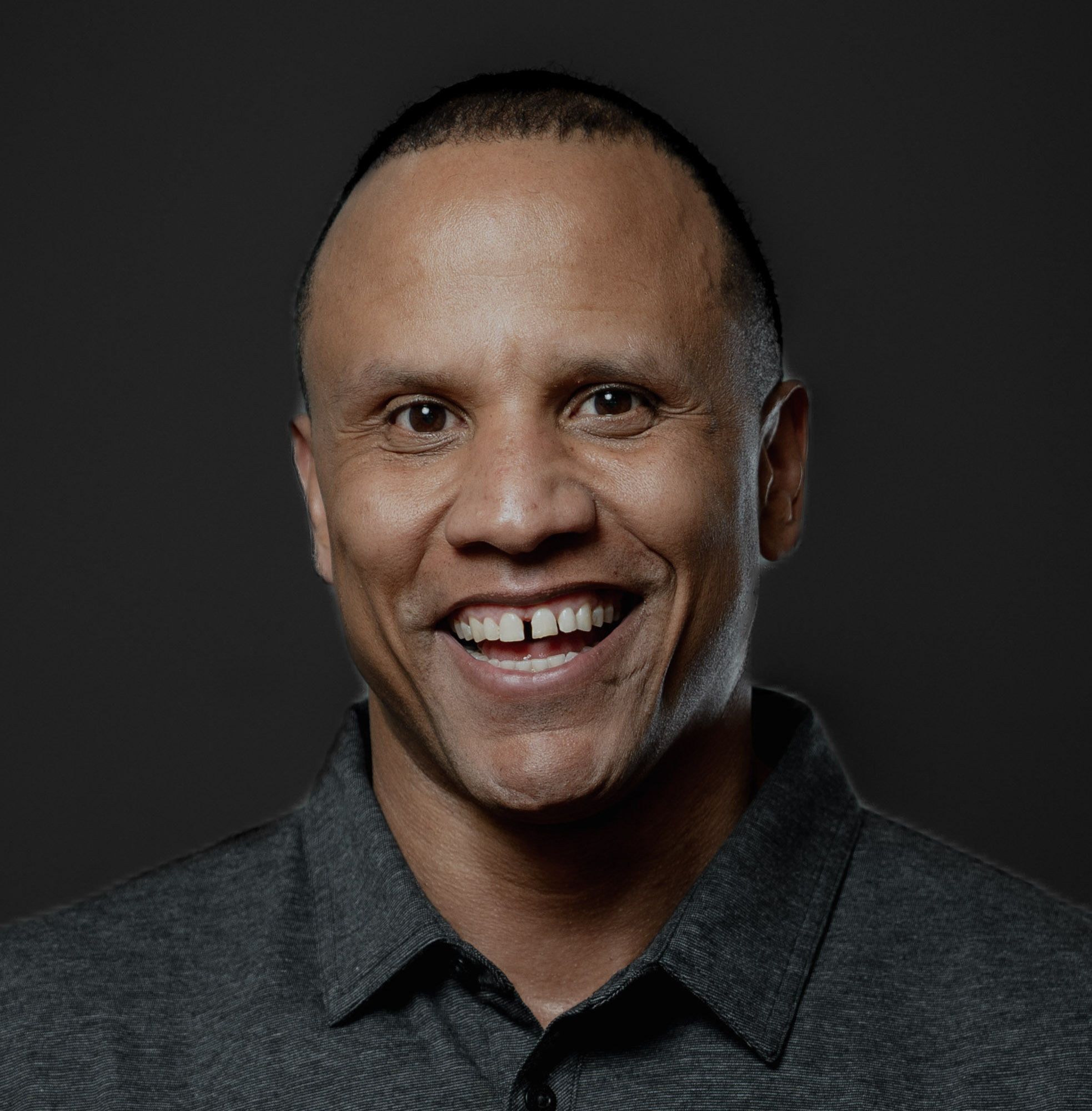
Robin Martin
Realtor® | Premier Home Team | Keller Williams Empower | PLACE
or another way